The Indoor Air Quality Procedure (IAQP) is a performance-based ventilation method that incorporates air cleaning into ventilation design. This allows a reduction of outdoor air intake required to ensure acceptable indoor air quality. This, in turn, effectively reduces strain on HVAC systems to allow for less energy consumption and less HVAC capacity in new construction.
The History of IAQP:
As the foremost authority for building design, ASHRAE continually updates commercial ventilation design standards via ASHRAE Standard 62.1. This standard ensures ventilation provides a safe, breathable environment for building occupants. The most current version is ASHRAE Standard 62.1-2022 which introduced a new Indoor Air Quality Procedure (IAQP) that not only ensures safe indoor air quality (IAQ), but less building energy consumption.
The Old IAQP:
The Indoor Air Quality Procedure was first introduced in ASHRAE Standard 62.1 in 1981 as an alternative ventilation method to the most commonly used Ventilation Rate Procedure (VRP). The IAQP approach offered a framework for maintaining building comfort in tandem with safe indoor air quality. This allowed for greater flexibility in addressing specific environmental conditions and pollutant sources. While the IAQP established foundational principles for indoor air quality, it left certain aspects of research and development to the project engineers and other professionals. Consequently, this encouraged innovation and adaption, as engineers could tailor solutions based on the unique needs of each building. However, this also meant that practitioners had to navigate a landscape with varying levels of understanding and implementation of those guidelines, highlighting the need for ongoing research and collaboration in the field.
The New IAQP:
Comparatively, the recent updates to the Indoor Air Quality Procedure in ASHRAE Standard 62.1-2022 replace subjective interpretations by project engineers with clear, quantitative requirements. This ensures acceptable indoor air quality and reduces risk for those designing with this ventilation method. To list, let’s talk about these changes:
What are the differences?
- List of Design Compounds: Table 6-5 is included in the “new” IAQP which lists 15 contaminants or “Design Compounds” and their limits. This addition gives engineers a finite list to measure and certify acceptable indoor air quality has been met.
- Indoor Air Quality Verification Testing: ASHRAE provides IAQ testing requirements to verify system contaminant removal efficiency. The requirements include allowed laboratory test methods, direct read instrument specifications, minimum calibration, and more.
- IAQP Calculator: ASHRAE developed a third-party user-friendly calculator to simplify IAQP calculations and predict IAQ impact and performance.
The Benefits of IAQP:
Why stick to the VRP for your building’s ventilation design when there’s a better option? The new IAQP allows recirculation of purified air, drastically reducing the need for outside air. This reduction brings several benefits:
- Energy and Cost Savings: Reducing the requirements for outside air lessens the demand on HVAC systems. This results in decreased energy consumption for heating and cooling, ultimately lowering operational cost and supporting decarbonization and sustainability efforts.
- Reduced Equipment Requirements: By minimizing outdoor air intake, it becomes possible to downsize various equipment, including chillers, cooling towers, heating systems, and air handlers. Significantly, this leads to cost savings during installation and lowers requirements for energy recovery systems or dedicated outdoor air systems.
- Enhanced Indoor Air Quality: The IAQP enables strict control over indoor air contaminants through the use of advanced filtration and compliant air cleaning technologies. This leads to what ASHRAE deems acceptable indoor air quality.
- Resilience Against Outdoor Threats: Relying heavily on outside air can expose occupants to elevated levels of pollutants. Specifically, as wildfires and urban pollution risks grow. IAQP’s focus on contaminant control makes buildings more resilient by reducing the intake of potentially harmful outdoor air. This is crucial for areas experiencing ongoing air quality issues.
When Will Your State Adopt the IAQP into Building Code?
Fortunately, you don’t have to wait. The International Mechanical Code (IMC) already permits the IAQP, which is described as an “engineered ventilation system design.” In addition, the IMC plans to revise its next revision to support the IAQP further, following a request from ASHRAE.
Furthermore, the U.S. Green Building Council (USGBC) recently published it’s LEED Version 5. One of the various LEED Certification credits includes adopting the Indoor Air Quality Procedure as it is written in ASHRAE Standard 62.1-2022. Similarly, performing indoor air quality testing to the requirements in the same standard also counts towards LEED Certification.
How Do I Implement the IAQP?
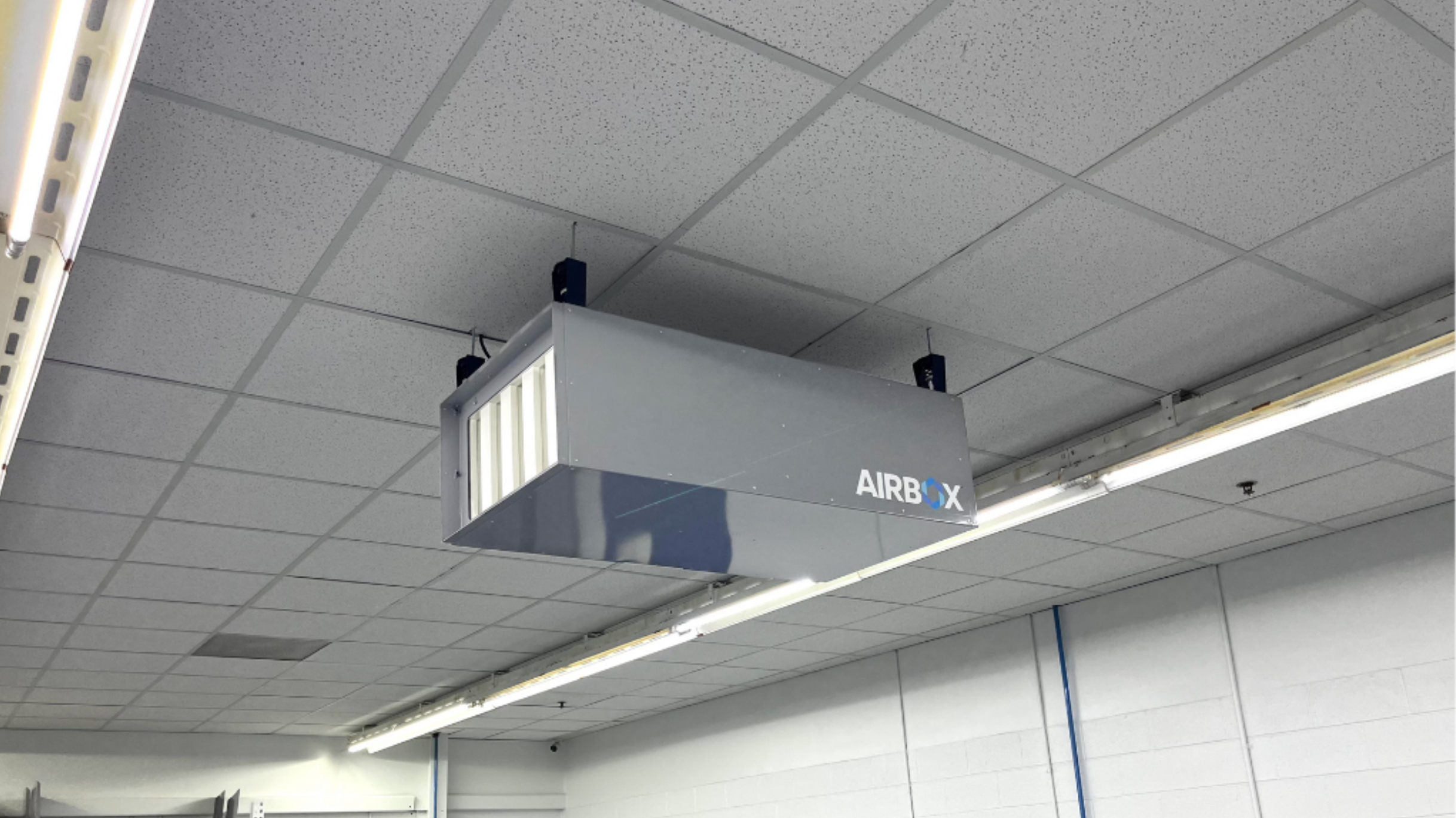
With largely in-room portable air purifiers in the market, how is the new performance-based ventilation procedure, or IAQP, possible? AirBox’s line of High-Volume Purifiers (HVPs) that are specifically designed for the Indoor Air Quality Procedure. The units range from 1,000 to 9,200 CFM to cover large scale, multi-room, and whole-building purification depending on building design. AirBox HVPs utilize advanced filtration to effectively remove all design compounds and reduce outdoor air intake by 50%-80%. As a result, this generates immense yearly energy savings and a reduction in HVAC capacity in new construction.
Additionally, the AirBox Analytical Science Group can perform the required Indoor Air Quality Verification Testing in accordance with all ASHRAE Standard 62.1-2022 testing requirements. AirBox combines data from cutting-edge sensor technology with in-depth lab analysis performed by an accredited third-party lab to ensure a comprehensive and accurate verification of indoor air quality.
Get Started:
AirBox can assist your design team in implementing the Indoor Air Quality Procedure whether it’s for retrofit or new construction. Our team of experts specializes in leveraging the newest ventilation and indoor air quality standards for our clients. Specifically, we offer a comprehensive, turnkey solution for IAQP, providing everything from design assistance and feasibility calculations to solutions and verification testing. Reach out to our team to get started on feasibility calculations and projected ROI.