HEPA filtration is more than a buzzword—it’s a benchmark for critical environments that can’t afford compromised air. Used across industries where air purity is non-negotiable, certified HEPA (High-Efficiency Particulate Air) filters are the proven choice for removing harmful particulate matter that threatens both human health and sensitive processes.
Industries That Rely on True HEPA
HEPA, the gold standard of filtration, is widely used in sectors that demand the cleanest air possible, such as:
- Semiconductor manufacturing
- Nuclear containment
- Biotech and pharmaceutical labs
- Microchip and electronics production
- Hospital operating rooms and isolation wards
- Aerospace cleanrooms
- High-containment BSL laboratories
- Defense and military applications
- Food and beverage clean processing
If these industries trust HEPA to protect critical operations and human health, it raises an important question: why wouldn’t your facility?
What Makes a HEPA Filter Legit?
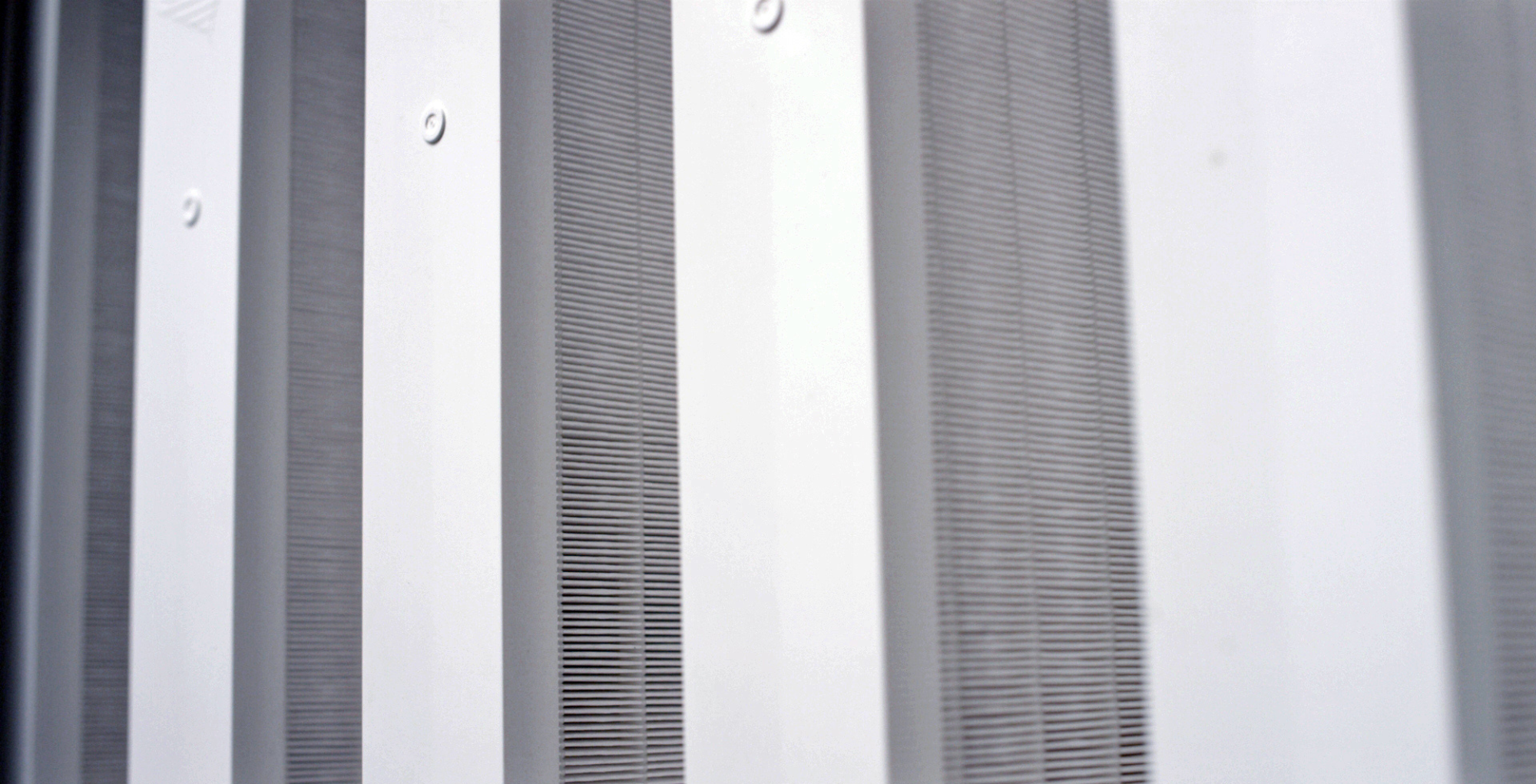
Not all “HEPA” claims are created equal. True, certified HEPA filters must meet strict performance standards—specifically capturing 99.97% of particles at 0.3 microns or better (some certified filters even test to 99.99%). But how do you verify that the filter in your system is performing as it should?
Here’s what you should ask any air purifier manufacturer or vendor:
- Is the filter certified to IEST-RP-CC001?
- Do your filters meet or exceed ASHRAE Standard 52.2 testing?
- Do you have ISO 29463 or EN 1822 classification data?
- Can you provide independent lab results or certification documentation?
- What DOE (Department of Energy) or cleanroom-grade standards do you meet?
Without answers to these, you may be buying a label—not a real solution.
The Danger of PM2.5: Invisible, But Potent
One of the biggest threats to indoor air quality today is fine particulate matter smaller than 2.5 microns (PM2.5). These particles can penetrate deep into the lungs, enter the bloodstream, and contribute to long-term health problems such as respiratory diseases, cardiovascular issues, cognitive decline, and even cancer. Because they’re invisible to the naked eye, PM2.5 often goes undetected without proper filtration in place and can be found around you in:
- Vehicle exhaust (diesel and gasoline engines)
- Industrial emissions (factories, power plants, refineries)
- Pollen
- Combustion byproducts (from burning wood, coal, oil, or natural gas)
- Cigarette smoke and secondhand smoke
- Wildfire smoke
- Cooking fumes (especially frying, grilling, and burning oils)
- Construction dust (fine dust from concrete, drywall, etc.)
- Agricultural burning and field dust
- Mold spores
- Biological fragments (skin flakes, bacteria, organic debris)
- Brake and tire wear particles (from roadways and traffic)
- Indoor dust (resuspended fine particles from surfaces or carpets)
These microscopic pollutants are all around us—indoors and out—and their ability to bypass the body’s natural defenses makes them especially dangerous. Certified HEPA filters actively capture PM2.5 and even smaller particles with verified efficiency, unlike standard filters, making them one of the most effective tools for protecting indoor air quality. In environments where health, safety, and compliance matter, HEPA isn’t just a filter; it’s peace of mind.
HEPA and IAQP
The Indoor Air Quality Procedure (IAQP) provides building designers with flexibility to reduce outdoor air ventilation by demonstrating control of indoor contaminants. However, success depends on the effectiveness of the filtration system. While HEPA filtration isn’t explicitly required under IAQP, it’s hard to justify using anything less when PM2.5, one of the most dangerous and pervasive airborne pollutants, is listed in ASHRAE’s Table 6-5. HEPA filters, proven to capture 99.97% or more of particles down to 0.3 microns, offer unmatched protection against PM2.5. Beyond health, better filtration means you can confidently lower outdoor air intake, which reduces HVAC equipment sizing, capital costs, and long-term energy consumption. In short, using HEPA with IAQP isn’t just a win for indoor air quality, it’s a strategic move for cutting costs and future-proofing your building.
AirBox: Built on 30+ Years of Cleanroom Expertise
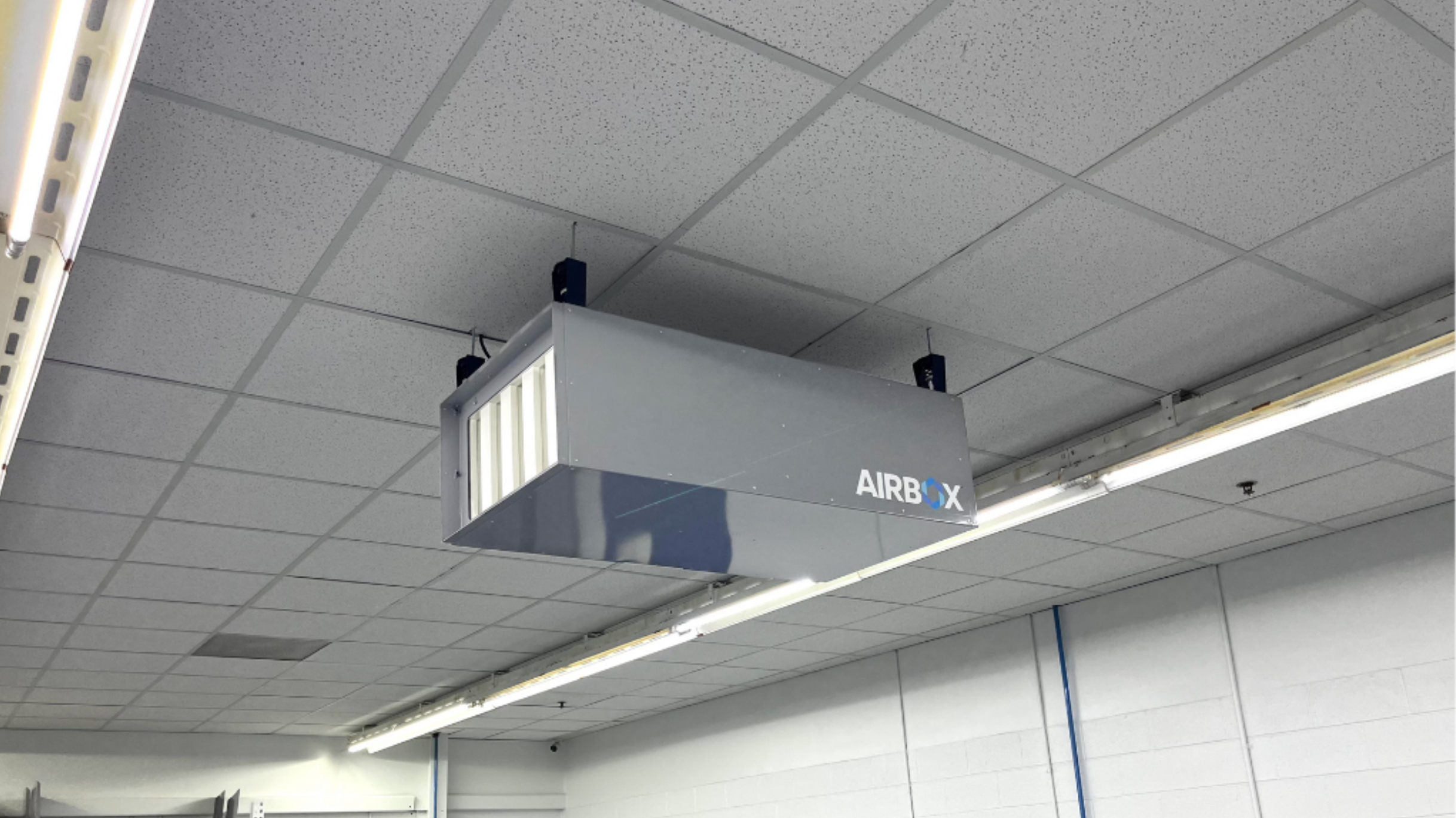
At AirBox, HEPA filtration isn’t a new feature, it’s the foundation. With over 30 years of experience in cleanroom design and certification, we understand what proven performance means in environments where there’s no room for error. That’s why every AirBox purifier, ranging from 500 CFM to 9,000 CFM, is equipped with certified HEPA and Advanced Molecular Adsorbent filtration for complete protection.
We don’t just say “HEPA”, we prove it. With our Advanced Operating System (AOS), filter life tracking, and IAQP compliance support, we make it easy to bring cleanroom-level air quality into commercial buildings, schools, healthcare facilities, and more.