Conditioning outdoor air is one of the largest energy loads in commercial HVAC operation. The Indoor Air Quality Procedure (IAQP) provides a performance-based ventilation pathway that reduces dependence on outdoor air dilution through targeted air cleaning and contaminant control.
Intelligent Ventilation for Modern Building Challenges
As outdoor air conditions become increasingly demanding and energy costs continue to rise, ventilation design must balance indoor air quality, operational efficiency, and building performance more effectively than ever before. ASHRAE expanded the Indoor Air Quality Procedure (IAQP) within Standard 62.1-2022 to provide an alternative to traditional ventilation strategies, enabling a more intelligent approach centered around contaminant control, verification, and reduced outdoor air dependence.
The Evolution
Earlier versions of IAQP introduced the concept of performance-based ventilation but lacked the structure, clarity, and standardization needed for widespread engineering adoption. ASHRAE Standard 62.1-2022 fundamentally expanded the framework, transforming IAQP into a far more practical and measurable ventilation strategy.
Implementation
IAQP can be implemented across both new construction and retrofit applications, allowing ventilation strategies to be tailored around building performance goals, energy targets, and contaminant control requirements.
Plan & Spec Applications
Rather than airflow quantity alone, IAQP in new construction projects can support:
- Reduced outdoor air conditioning demand
- Lower HVAC equipment capacities
- Reduced latent load management
- Optimization of RTUs, AHUs, DOAS systems, and chilled water systems
- Reduced dependence on energy recovery strategies
Retrofit Applications
By integrating air cleaning into recirculated airflow in phased approach or in total, facilities can modernize ventilation performance without requiring complete HVAC system replacement and support:
- Reduced ventilation energy consumption
- Improved HVAC operational efficiency
- Reduced equipment runtime
- Lower maintenance burden
- Enhanced contaminant control within occupied spaces
Energy Implications
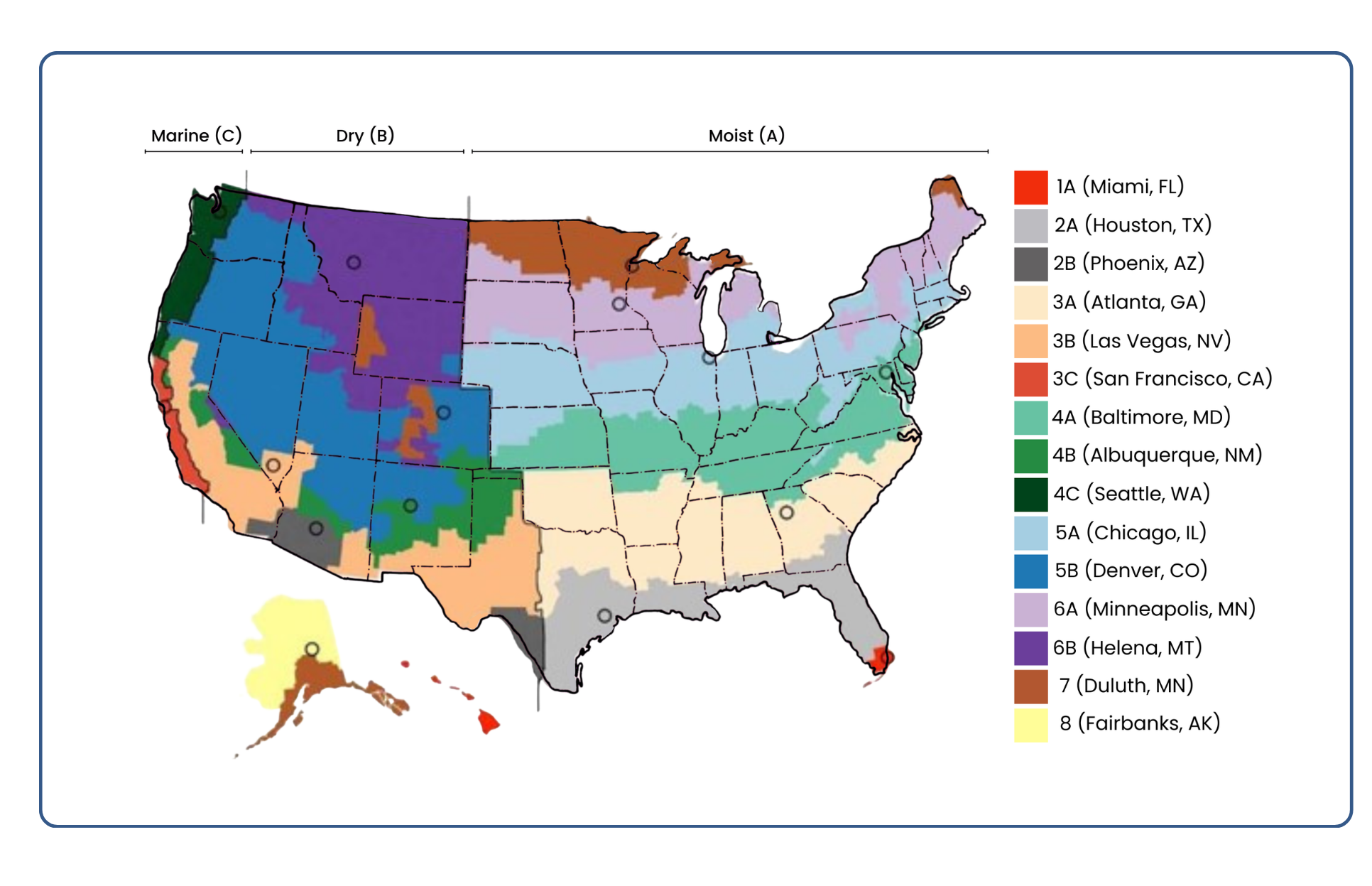
Conditioning outdoor air represents one of the largest energy demands in commercial HVAC operation. Depending on climate zone, conditioning ventilation air can significantly increase sensible and latent system loads, impacting equipment sizing, operational costs, and long-term energy consumption. By reducing dependence on outdoor air through performance-based IAQP strategies, facilities may significantly reduce the energy required to condition ventilation air while maintaining acceptable indoor air quality.
Modeling & Integration
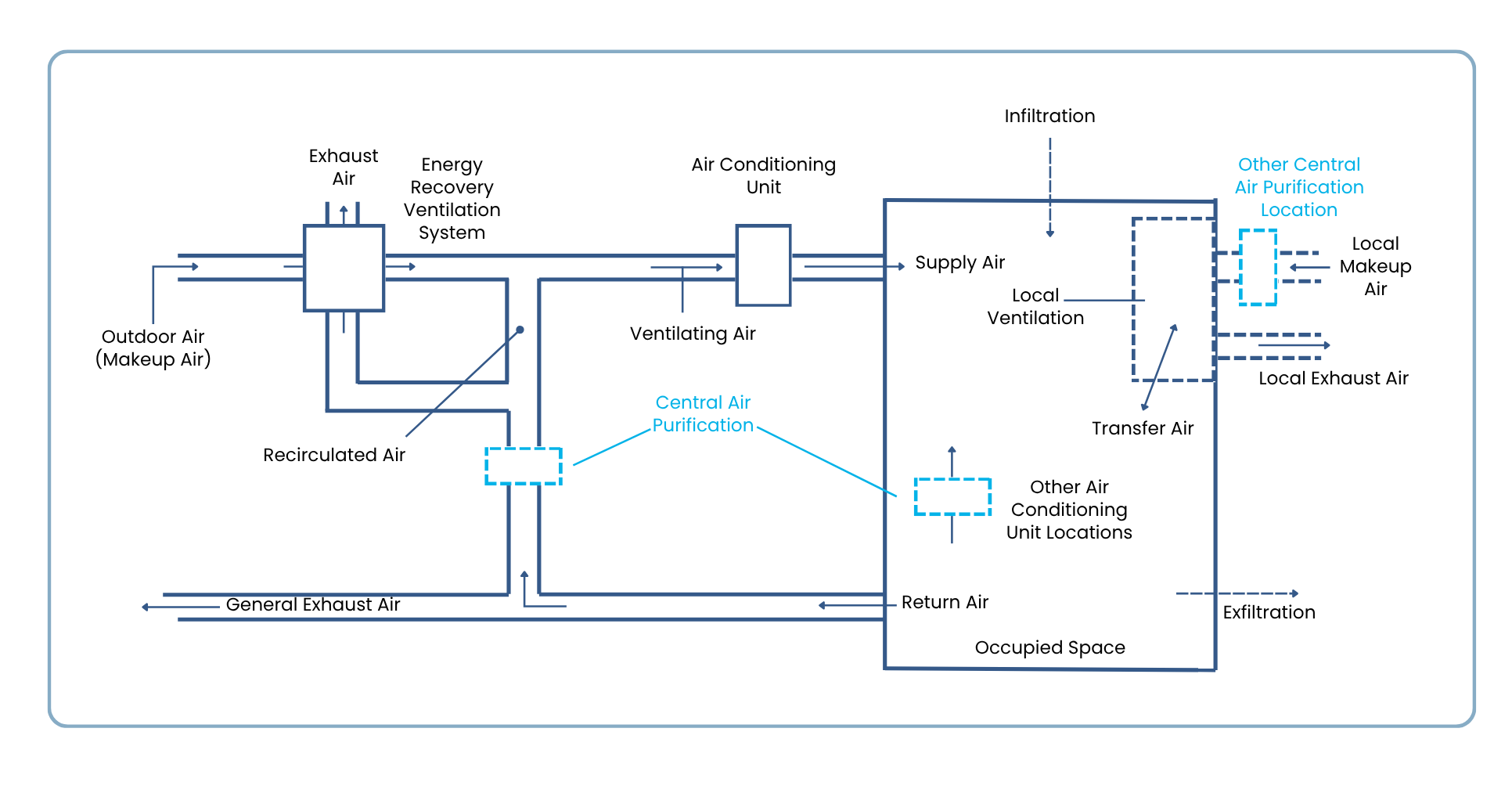
ASHRAE’s IAQP Calculator provides a standardized framework for evaluating how building design variables, including occupancy, ventilation rates, filtration efficiency, air cleaning technologies, and material emissions, impact indoor air quality performance. Using calculated IAQ metrics, engineers can compare ventilation strategies, optimize contaminant control approaches, and identify opportunities to reduce outdoor air requirements while maintaining acceptable indoor air quality. This performance-based modeling approach supports the integration of centralized air cleaning directly within HVAC design, allowing purification strategies to be implemented across a variety of system configurations and installation locations.
Design Compounds
ASHRAE Table 6-5 is a critical component of the Indoor Air Quality Procedure. Specifically, this table identifies contaminants of concern that must remain below design limits when designing ventilation under IAQP, instead of relying on the prescriptive Ventilation Rate Procedure. Additionally, it provides benchmark concentration limits based on health and source criteria, offering clear targets for air cleaning and filtration performance. In this way, ASHRAE Table 6-5 serves as the foundation for clean and healthy indoor environments, enabling more precise, efficient, and health-focused building designs.
Compound |
Cognizant Authority |
Design Limit |
| Acetaldehyde | Cal EPA CREL (June 2015) | 140 µg/m³ |
| Acetone | AgBB LCI | 1200 µg/m³ |
| Benzene | Cal EPA CREL (June 2015) | 3 µg/m³ |
| Dichloromethane | Cal EPA CREL (June 2015) | 400 µg/m³ |
| Formaldehyde | Cal EPA 8-hour CREL (2004) | 33 µg/m³ |
| Naphthalene | Cal EPA CREL (June 2015) | 9 µg/m³ |
| Phenol | AgBB LCI | 70 µg/m³ |
| Tetrachloroethylene | Cal EPA CREL (June 2015) | 35 µg/m³ |
| Toluene | Cal EPA CREL (June 2015) | 300 µg/m³ |
| Xylene, total | AgBB LCI | 500 µg/m³ |
| Carbon monoxide | U.S. EPA NAAQS | 9 ppm |
| Particulate matter (PM2.5) | U.S. EPA NAAQS (annual mean) | 9 µg/m³ |
| Ozone | U.S. EPA NAAQS | 70 ppb |
| Ammonia | Cal EPA CREL (June 2015) | 200 µg/m³ |
Filtration & Air Cleaning
Because IAQP is performance-based, air cleaning technologies should be evaluated based on their demonstrated ability to reduce particulate and gaseous contaminants identified within Table 6-5. Removal efficiency testing provides critical performance data by measuring how effectively a technology captures or adsorbs specific contaminants under controlled operating conditions, helping guide filtration and purification selection within HVAC system design.
ASHRAE Standard 145.2
ASHRAE Standard 145.2 is a laboratory test method used to evaluate the effectiveness of gas-phase air cleaning devices, such as those that remove volatile organic compounds (VOCs), ozone, and formaldehyde. The test measures the single-pass removal efficiency of a device by introducing specific contaminants and analyzing the removal efficiency after passing through the air filter. Importantly, the test is conducted at a defined airflow rate (CFM) that reflects how the unit will operate in-situation, as airflow directly impacts contact time with the filtration. The data provides a third-party benchmark for comparing different systems ability to reduce gas-phase pollutants, which is an essential input for strategies like the IAQP in ASHRAE Standard 62.1-2022.
ASHRAE Standard 52.2
ASHRAE Standard 52.2 is the industry method for testing how well air filters remove particulate matter from the air, including particles like PM10, PM2.5, and smaller. The test assigns a Minimum Efficiency Reporting Value (MERV) based on how effectively the filter captures particles across three size ranges, while Certified HEPA filtration represents the highest level of standardized particulate filtration performance. Like 145.2, it’s performed at a defined airflow rate to reflect real-world performance. The results provide a consistent, third-party benchmark for comparing particulate filtration systems and are commonly used in IAQP modeling to justify outdoor air reduction.
Verification Testing
Verification testing is a critical step in the Indoor Air Quality Procedure that ensures a building’s ventilation and air cleaning systems are effectively controlling contaminants of concern. After system installation and normal operation begins, air sampling is conducted to confirm that indoor concentrations of the pollutants listed in ASHRAE Table 6-5 are within the acceptable limits defined by the standard. Compliant verification provides documented proof that the design meets performance-based IAQ goals, offering accountability, compliance assurance, and a higher level of protection for occupant health. Furthermore, it supports energy-efficient strategies by validating that reduced outdoor air volumes, paired with advanced filtration, still achieve clean indoor air.
Verification Requirements
Allowed Laboratory Test Methods for the IAQP Verification Testing
| Compound | Allowed Test Methods |
| VOCs except formaldehyde, acetaldehyde, and acetone | ISO 16000-6; EPA IP-1; EPA TO-17; ISO 16017-1; ISO 16017-2; ASTM D6345-10 |
| Formaldehyde | ISO 16000-3; EPA TO-11; EPA IP-6; ASTM D5197 or testing method that is compliant with the California Air Resources Board’s (CARB) § 93120 |
| Acetaldehyde and acetone | ISO 16000-3; EPA TO-11; EPA IP-6; ASTM D5197 |
| Carbon monoxide | ISO 4224; EPA IP-3 |
Direct Reading Instruments Minimum Specifications for the IAQP Verification Testing
| Ozone | PM2.5 | Carbon Monoxide | Formaldehyde | |
| Accuracy (±) | 5 ppb | Greater of 5 µg/m³ or 20% of reading | Greater of 3 ppm or 20% of reading | 0.1 ppm |
| Resolution (±) | 1 ppb | 5 µg/m³ | 1 ppm | 2% full scale with calibrated linearity range |
Number of Measurement Points for the IAQP Verification Testing
| Total Occupied Floor Area, ft² (m²) | Number of Measurements |
| ≤25,000 (2500) | 1 |
| >25,000 (2500) and ≤50,000 (5000) | 2 |
| >50,000 (5000) and ≤100,000 (10,000) | 4 |
| >100,000 (10,000) | 6 |
Verifying Performance Over Time
While ongoing verification testing is not required by ASHRAE Standard 62.1-2022, some facilities may choose to implement continuous IAQP verification strategies through real-time air monitoring to provide additional visibility into long-term indoor air quality performance and operational conditions.
Continuous monitoring approaches can track changing occupancy patterns, outdoor air conditions, contaminant trends, and filtration loading over time while supporting automatic ventilation and air cleaning adjustments during transient IAQ excursions. When integrated into broader building management strategies, continuous IAQP verification may support operational optimization, preventative maintenance planning, and enhanced confidence in ongoing indoor air quality performance.
Building Outcomes
Improved Health and Safety
Identifying and eliminating harmful contaminants in the indoor air in a facility reduces the risk of health problems for building occupants, thus creating a safer and healthier environment.
Reduced Energy Demand
Reducing excessive outdoor air intake and conditioning requirements can significantly decrease the energy associated with ventilation while maintaining targeted indoor air quality performance.
Optimized Capital Equipment
Minimizing excess ventilation demand can support more efficient mechanical system sizing and capacity needs, optimized ERV selection, and reduced long-term strain on HVAC equipment.
Supported Sustainability Initiatives
Improving ventilation efficiency and reducing excessive outdoor air load can contribute to decarbonization and green building initiatives, in addition to LEED and WELL-aligned building performance objectives.
IAQP Made Easy
See how IAQP strategies use contaminant reduction and intelligent ventilation optimization to support cleaner indoor environments, reduced outdoor air requirements, and improved HVAC efficiency.
Achieve ASHRAE Standard 62.1 and 241
Compliance With AirBox Air Cleaners
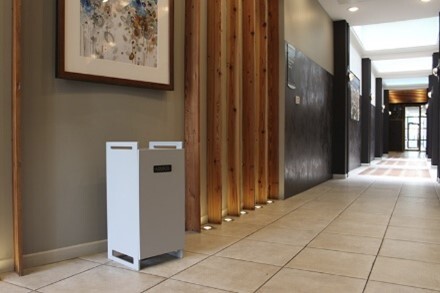
AirBox air cleaners are specifically engineered to abide by the strict indoor air quality requirements set forth by both ASHRAE Standard 241 for heightened infectious risk and ASHRAE Standard 62.1-2022 Indoor Air Quality Procedure for standard operation.
By harnessing advanced air purification technologies, AirBox systems effectively capture over 99.99% of tested airborne contaminants,
including infectious aerosols that can pose significant health risks. Tests are available on request.
Our air cleaners apply to a wide range of building types, including corporate offices, construction sites, schools, and healthcare facilities.
AirBox Maintains Compliance
Professional Analysis
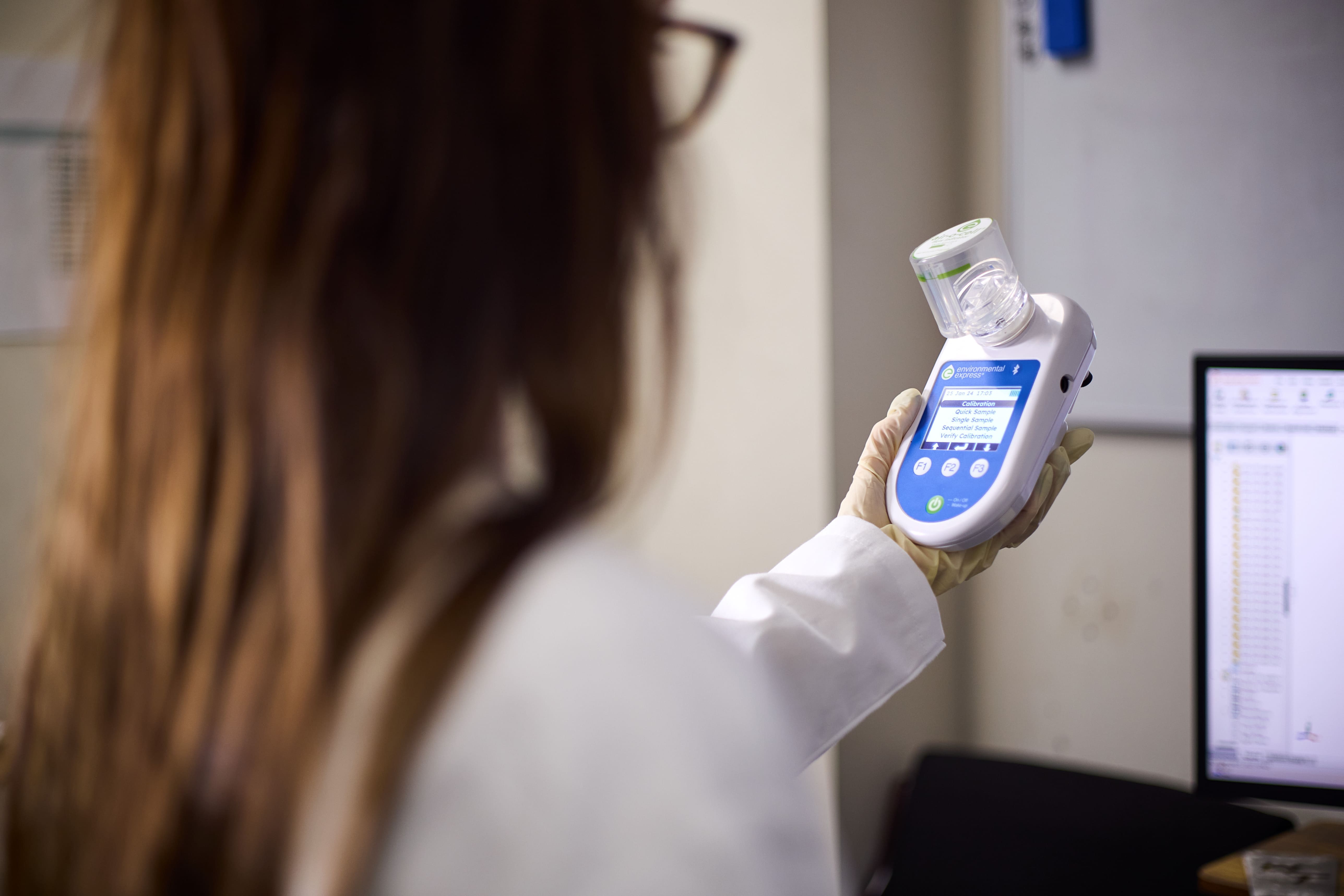
Our data-driven IAQ Testing takes the guesswork out of what’s going on with your air. It tells you exactly what contaminants are in your indoor air and how much. These steps will lead you from guessing to knowing – and from dirty, unhealthy air to clean.
Asset Protection
By ensuring good indoor air quality, the HVAC system can operate more efficiently, reducing energy costs and extending its lifespan. This, in turn, can also lower the maintenance costs for your building.

Risk and Liability Mitigation
Building owners and managers have a legal responsibility to provide a safe and healthy environment for their occupants. Failure to maintain proper IAQ can result in serious liability risks, including lawsuits, fines, and damage to the reputation of the building.
Want to discuss IAQP integration for your project?
Partnering with a trusted name like AirBox ensures that you’re not only compliant with
ASHRAE Standards, but also providing the best environment for your occupants.